I am blessed in many ways. I am married to a splendid woman and we travel the world together. I have a world-class cat. I love what I do for a living and...I am blessed with little people in my life who are happy to pose.
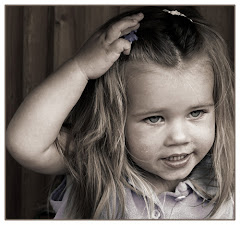
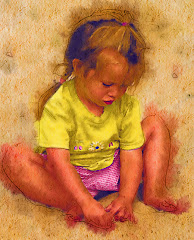
This young lady is one of those people. Here are three pictures from dozens taken during a fifteen minute session on our back porch one summer afternoon.
She has known me since birth. We are comfortable together. But she was still only five years old. In working with "little people" there are a lot of things to keep in mind.
First: you need to keep talking. Photographers have a lot to think about: settings, the subject, the light, the composition. We have a tendancy to want to concentrate on taking the shot and ignoring the subject.
 This doesn't work with kids.
You need to keep communicating. You need to keep the child engaged in the process. You need to make them laugh, to look in the directions you want them to look. You need to keep your model engaged in the whole process. There has to be a powerful link to the process between the photographer and the subject.
You need to keep shooting. We (as in the royal "photographer we") have a habit of checking the LCD screen and the histograms to see what we got.
Don't do this when you are working with kids. The idea is to have nothing coming between you and the child. The camera has the potential to become one of those things: it's a big mysterious box to little eyes. Ideally, the camera becomes part of the whole adventure and doesn't represent something scary or misunderstood to the child. In order to keep shooting there are a couple of things that make the process smoother:
1) Do all your settings and camera fiddling before you start with the child. That's important because you need to concentrate on just shooting once the session starts.
2) Use a Burst or Sports Mode. Kids move very quickly and emotions flicker across their faces like vapor. You need to shoot very quickly so you can catch every nuance of what they do.
3) Keep the atmosphere positive. There should be lots of laughter and lots of positive words spoken. The child needs to feel confident and have the ability to relax in front of the camera.

Take the picture AFTER the picture. This is one of the most valuable things I have learned from watching my wife work with people. She's done a ton of portraits. One day I realized how she got such great candid looking shots.
She would take the shot they expected her to take. Just as they were leaving, she'd engage them in conversation and then she would say something funny. When they responded, she would take the shot and she'd consider that the portrait.
It's a technique I have used (okay copied) many times. It works like a charm.
You will get "real person."
And the "real person" is much more interesting than those unnatural posed shots, which are particularly awful when children are in them.


 Posts